Virtual Fitting with
my own
digital avatar
3D VR fitting feature lets users create 1:1 virtual models of themselves and try on garments with real-life measurements.
I come from a fashion design background, so I naturally pay attention to how “new tech” actually fits into the real behaviors of getting dressed, styling, and buying. Recently, I visited a retail popup and saw an AR mirror being used for virtual try-on. My first reaction was genuine surprise in a good way. It created an immediate “wow” moment and drew people in quickly. From a brand perspective, it worked as an attention magnet and a conversation starter, which is exactly what popups need.
That said, the more I watched and tried it, the more I felt the experience was optimized for marketing impact rather than real utility. The try-on content was low fidelity and mostly focused on accessories. Each item appeared as a single, isolated product rather than something you could layer, mix, and style as a full look. That limitation matters because styling is rarely one-item decision making. Fashion choices are combinational. People want to see proportions, balance, and how pieces work together across a whole outfit. Without stacking and coordination, the experience stayed at the level of novelty, not a functional decision tool.
Another key insight is about context. If I already made the effort to go outside and shop in person, I can usually try the real garment on. The biggest pain point that virtual try-on claims to solve, uncertainty about fit and appearance, is far more urgent online. In e-commerce, I return items all the time simply because I cannot try them on first, and return friction is expensive for both users and brands. So for me, the core opportunity is not “AR in-store as a gimmick,” but “virtual try-on as a serious online decision aid.”
This experience pushed me to reframe what I want to build next. I want to translate the idea into an online-first prototype and make it more user-centered and configurable. My next step is to create a simple virtual try-on demo in Unreal Engine using my own avatar. The goal is not hyper-realism. It is to demonstrate a more functional system that supports outfit building, layering, and styling logic, while staying playful and intuitive. It connects directly to my fashion background, but adds a clearer product perspective about where virtual try-on actually creates value.
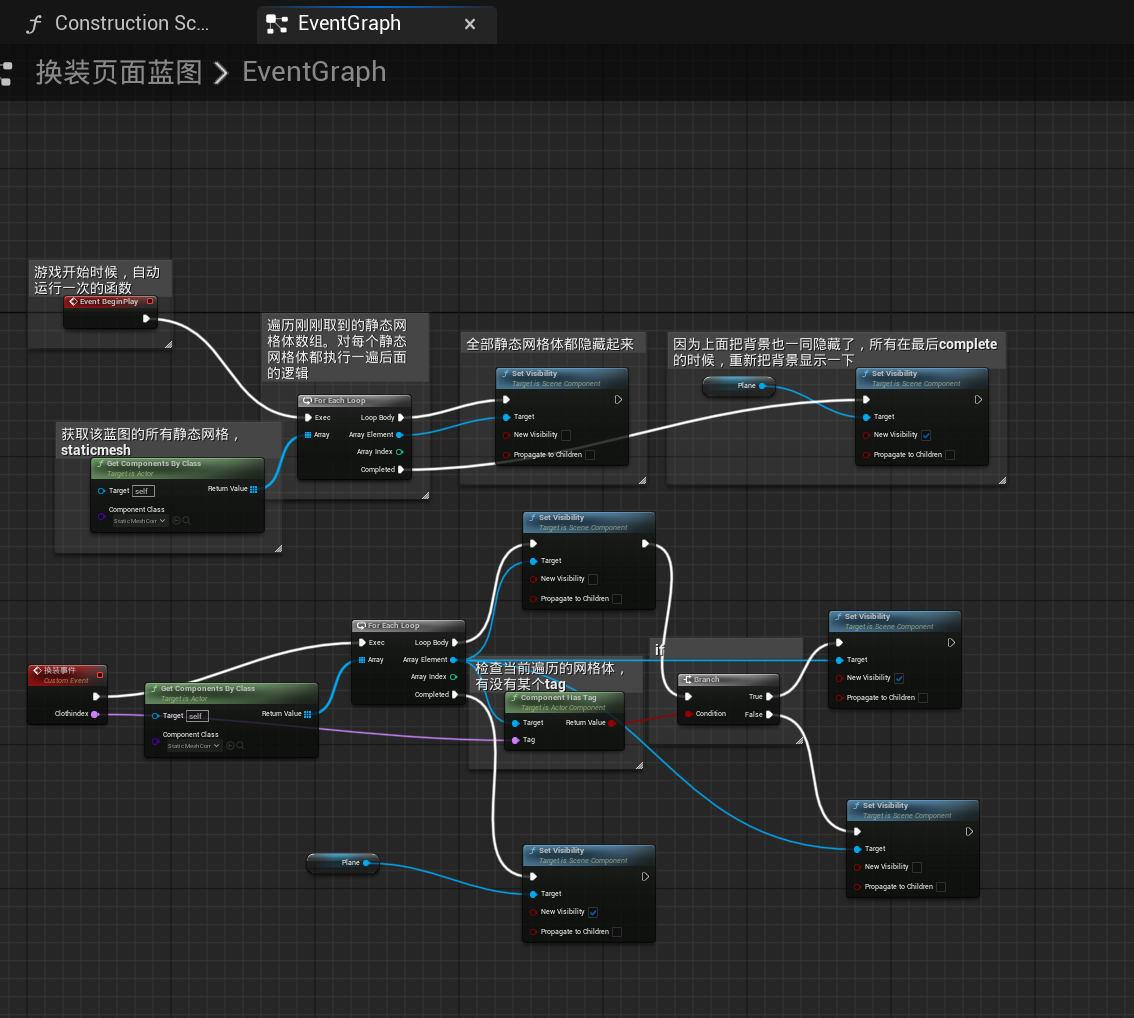
Behind the Scene
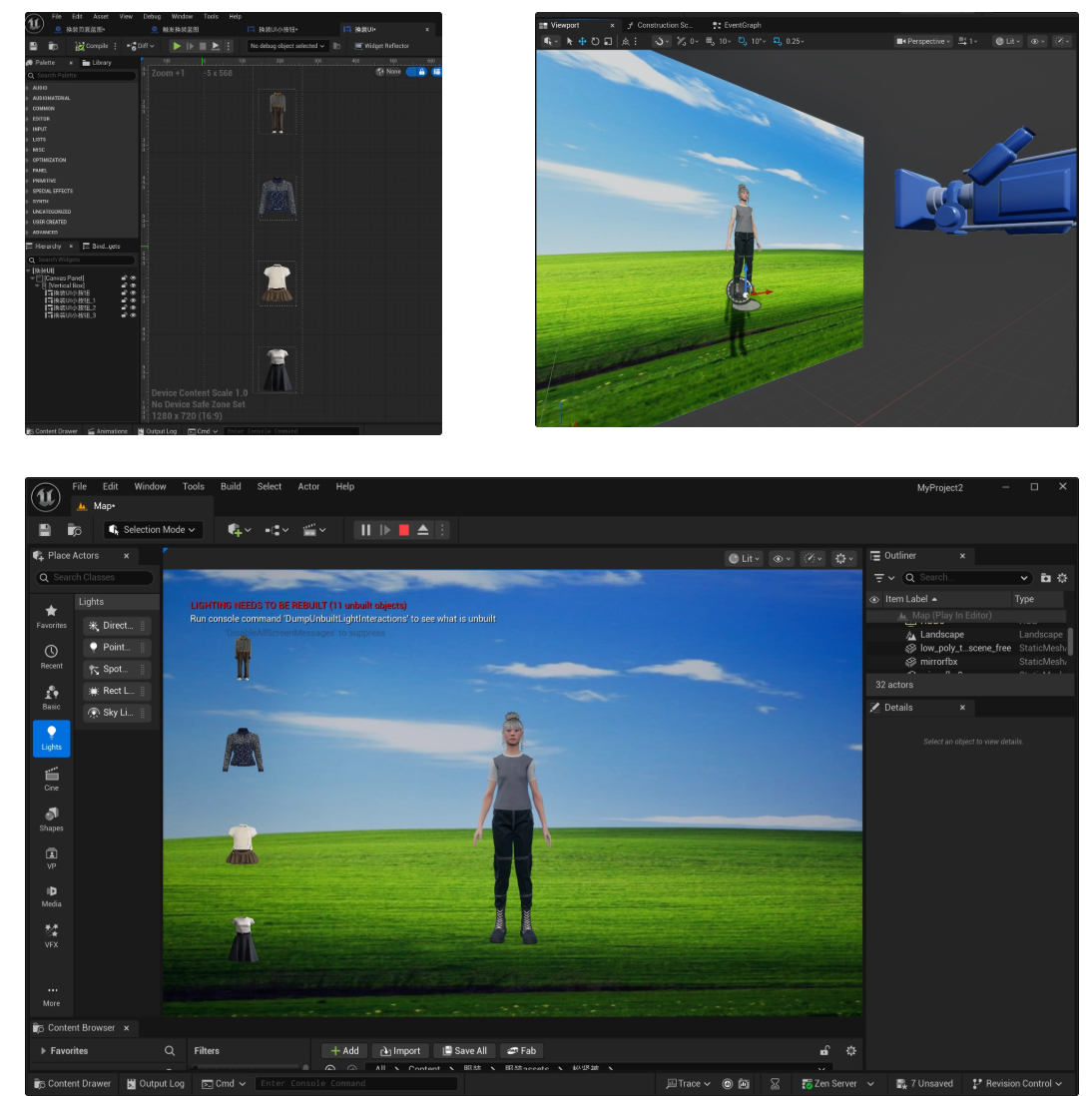
It turns shopping into a dress-up game, while the community system adds extra fun and possibilities…
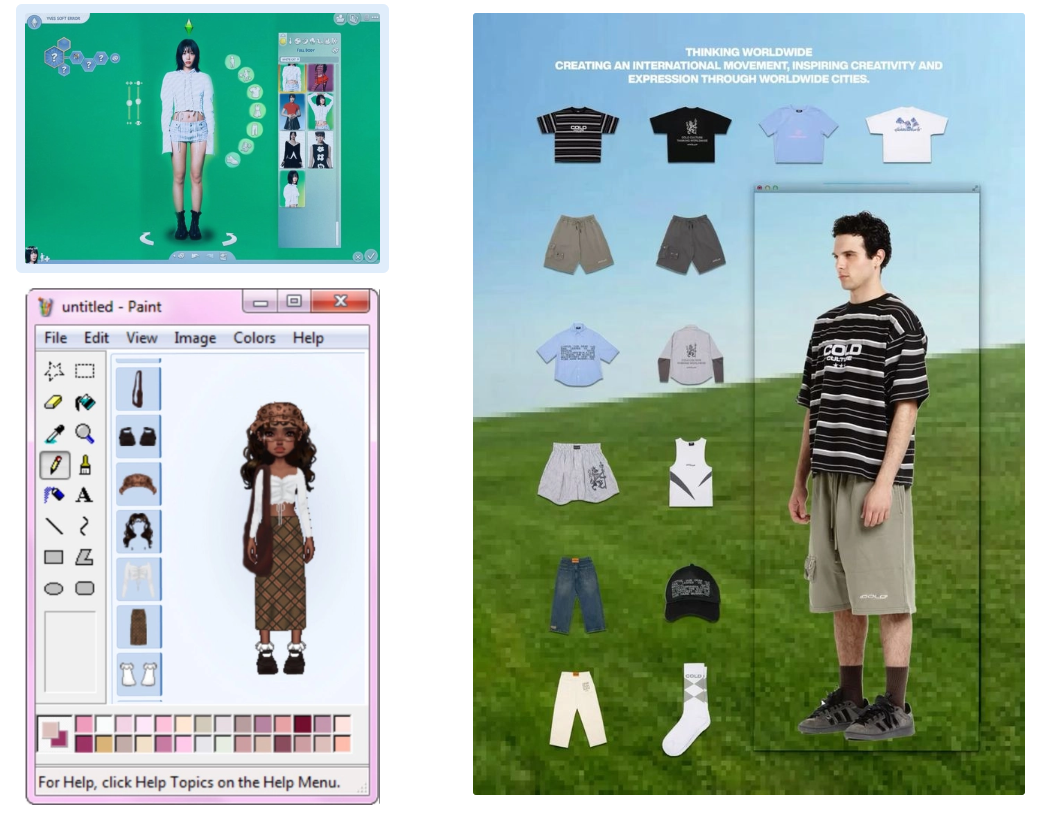
Mood Board
Blueprint & Process
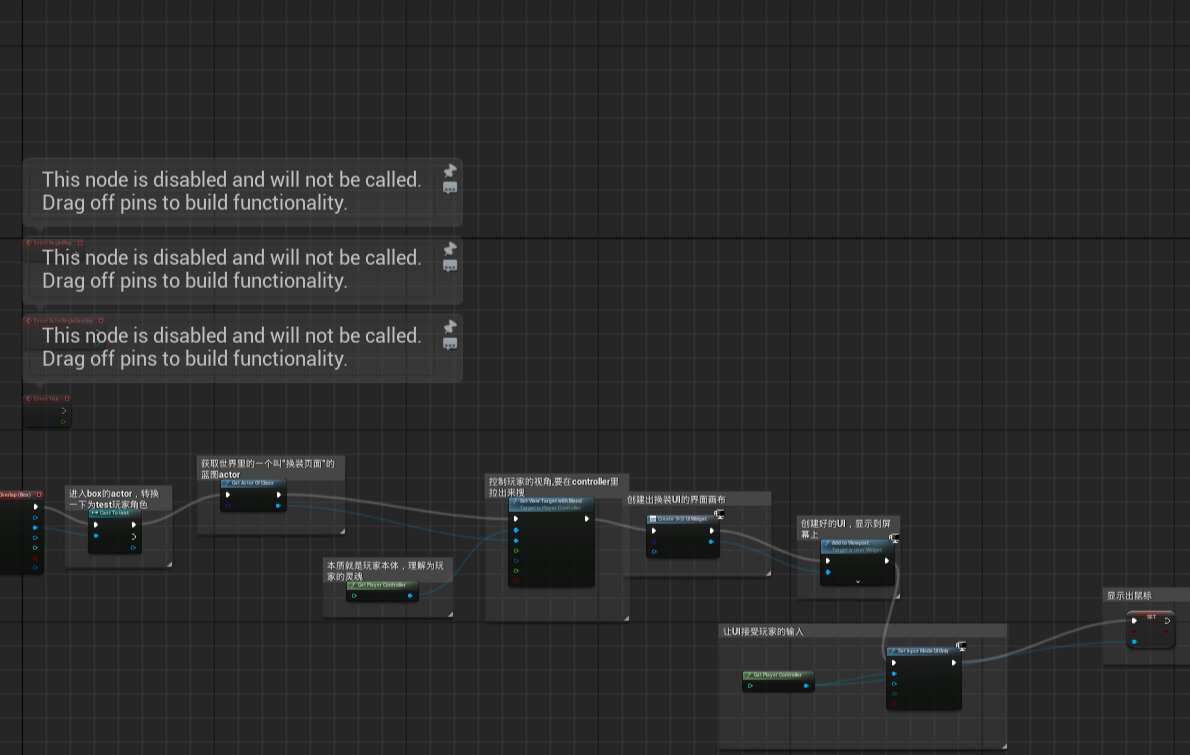
Reflection:
The main issue is the interaction contract. Clothes need to be bound to the avatar, and the avatar plus clothing should rotate together to provide a more engaging styling experience.
Based on testing, I simplified the layout so the avatar is the focal point and clothing options read as selectable items, leaving space for future UI controls.
In the future, I would prioritize one baseline first: proper garment binding, 360-degree rotation, improved character modeling, and a minimal UI (categories, size, outfit stacking) before adding anything else.